Digital platforms for custom apparel manufacturing
A digital manufacturing platform brings garment selection, design, decoration and production into one online workflow, so a clothing brand moves from idea to finished product without coordinating separate suppliers. Inkse is an end-to-end platform of this kind: you choose from 200+ premium blanks, design in a free 3D workspace, add specialised treatments such as embroidery, puff print, flocking and heat seals, then order from a single unit.
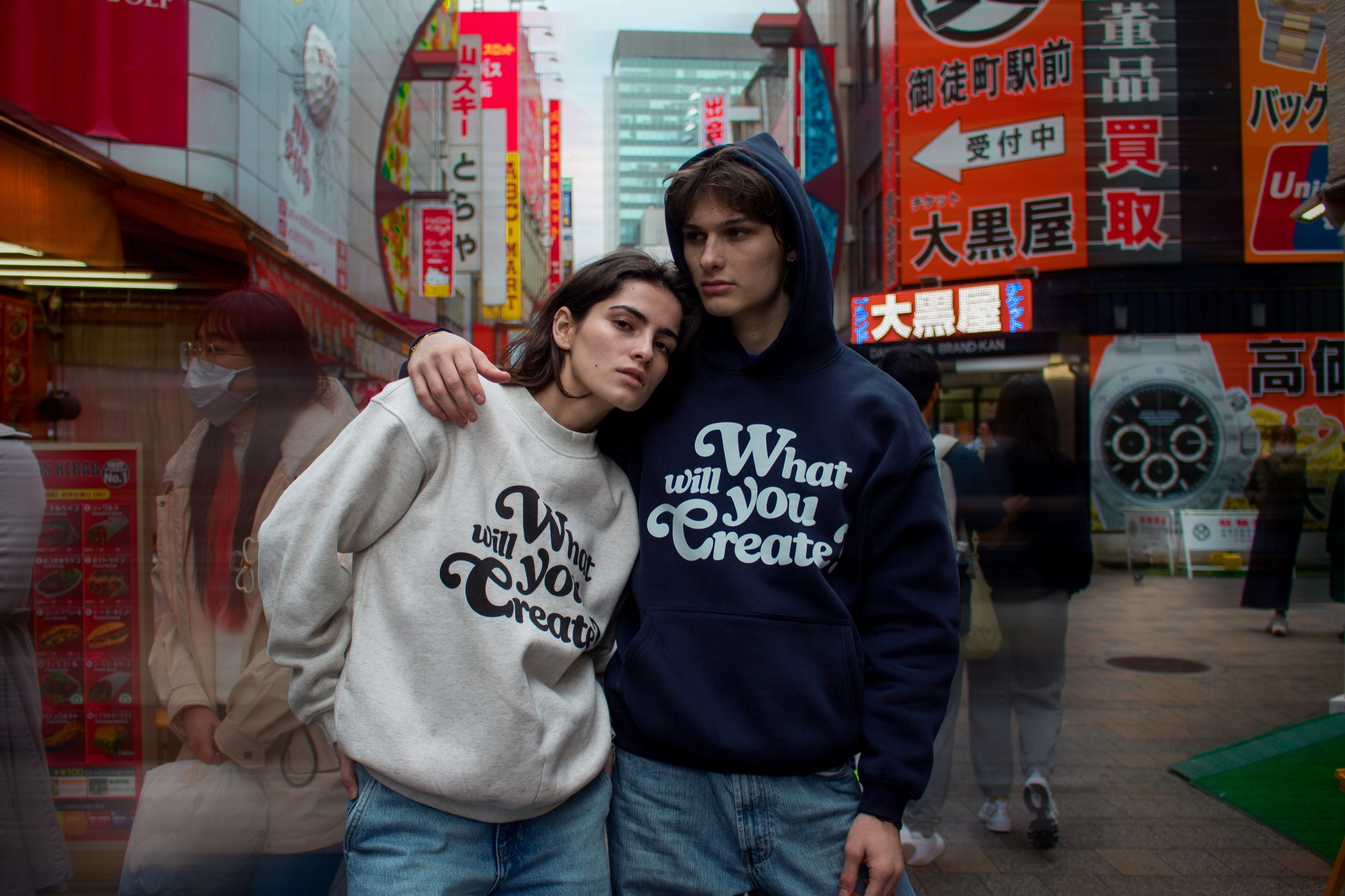
End-to-end digital manufacturing for clothing brands
Platforms for designing and printing apparel fall into three groups: print-on-demand services that apply digital prints to stock blanks, traditional manufacturers that produce to a tech pack at volume and end-to-end digital manufacturing platforms that combine design tools, decoration and production in one place. Inkse belongs to the third group and handles the process from the first design through to the finished, delivered garment.
How a digital platform consolidates the supply chain
A small label producing a decorated hoodie the traditional way deals with a blank supplier, a printer, an embroiderer, a label maker and a freight forwarder. Each has its own quote, minimum and deposit, and each hand-off is a chance for the order to stall or for the specification to drift. A digital platform replaces those hand-offs with a single order. Teams at Ticketek, Nestlé and Athletic Ventures use Inkse this way for custom merch, uniforms and brand drops. On Inkse the workflow runs in five steps:
- Choose a blank from 200+ streetwear, activewear and sleepwear styles.
- Upload artwork and position it on the garment in the 3D workspace.
- Select a treatment for each element, with pricing that updates live.
- Order from one unit, with no deposit and no setup fee.
- Production runs through one centralised supply chain, with tracked delivery typically two to three weeks after the order is placed, compared with two to four months for traditional manufacturing.
The design file replaces the tech pack
In traditional manufacturing a tech pack translates the design into instructions a factory can follow: artwork dimensions, placement measurements, colour references and decoration method. On Inkse those details are captured as you design. The placement, size and treatment you set in the workspace become the production specification, so there is no separate document to write and no re-keying between the designer and the factory floor.
How visualisation reduces errors between concept and product
The common sampling errors are predictable: artwork printed too large or too small, a chest graphic placed too low, a colour that clashes with the garment or a technique that does not suit the artwork, such as fine linework in puff print. Seeing the design on a 3D model catches placement and scale problems before production, and the placement and dimensions you approve are the ones sent to production.
Comparing platforms for high-end garment detailing
Modern digital manufacturing platforms differ in how far they go beyond a flat print. The main differences for detailed, premium-finish garments are:
| Basic print on demand | Traditional manufacturer | Inkse | |
|---|---|---|---|
| Minimum order | 1 unit | 50 to 200+ units | 1 unit |
| Decoration | Mostly DTG | Varies by factory | 20+ treatments |
| Design tools | 2D mockups | Tech pack and samples | Free 3D workspace |
| Deposit | None | Upfront | None |
Small-batch production and sampling
Sites for small-batch custom clothing let you order in the tens instead of the hundreds, and the useful ones also let you order one. Inkse has no minimum order: you can order a single sample, a batch of 20 for a first drop or 100+ units with automatic quantity discounts, across streetwear blanks such as heavyweight tees and fleece hoodies as well as activewear and sleepwear.
Why a single sample comes first
Order a single custom garment to test quality before placing a larger run. A sample confirms fabric weight, fit, colour accuracy and the finish of each treatment. It also gives you real photographs for pre-orders, which lets demand decide the size of the first batch.
How low minimums reduce financial risk
A factory minimum of 100 units per colourway means a two-colour hoodie commits a brand to 200 garments, plus deposits, before a single customer has seen the product. Ordering one sample and then a test drop of 20 limits the exposure to stock you can realistically sell. On Inkse the per-unit price falls as the order grows, so scaling a proven design does not mean renegotiating with a new supplier:
| Units | Treatment discount |
|---|---|
| 1 to 5 | None |
| 6 to 20 | 15% |
| 21 to 35 | 22% |
| 36 to 49 | 30% |
| 50 to 59 | 33% |
| 60 to 89 | 34% |
| 90 to 99 | 35% |
| 100+ | 36% |
Apparel itself runs from AUD $29 to $67 per unit at one to five units and falls to AUD $21 to $48 at 50+. The pricing calculator shows the exact per-unit cost for any garment, treatment and quantity.
Custom streetwear blanks with low order minimums
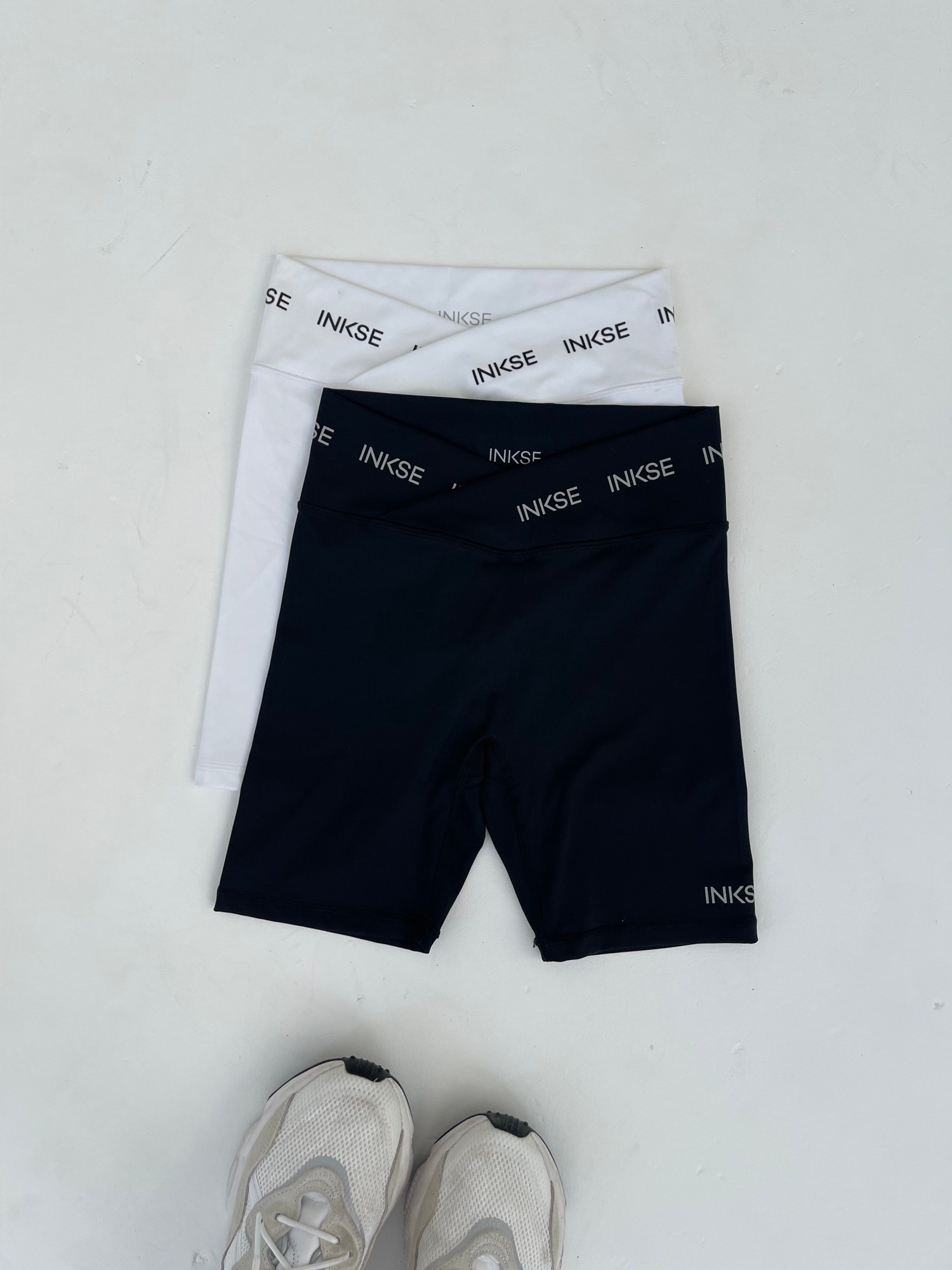
For a reliable source of custom streetwear blanks with low order minimums, Inkse stocks 250 GSM heavyweight cotton tees, fleece hoodies and sweatshirts, polos, long sleeves, tank tops and shorts. Blanks can be ordered undecorated at the same per-unit price, or decorated with any treatment, from one unit. Browse the full blanks range or the custom streetwear page.
Specialised garment decoration techniques
For quality custom embroidery on hoodies, look for a provider that embroiders heavyweight fleece, offers more than flat stitching and does not require bulk orders. Inkse offers embroidery (text and image), 3D embroidery, flocking embroidery and chain stitch on hoodies from one unit. For heat seal decoration, Inkse offers regular, reflective, raised and raised dull heat seals, plus raised glossy heatseal and puff print heatseal, also from one unit.
Embroidery and chain stitch
Embroidery stitches thread directly through the fabric, which gives a dimensional, premium finish that does not crack or peel. 3D embroidery stitches over a foam base to raise the design, and chain stitch builds lettering and linework from looped stitches with a hand-crafted, vintage texture. All three suit logos, monograms and bold lettering on hoodies, sweatshirts, heavyweight tees and polos.
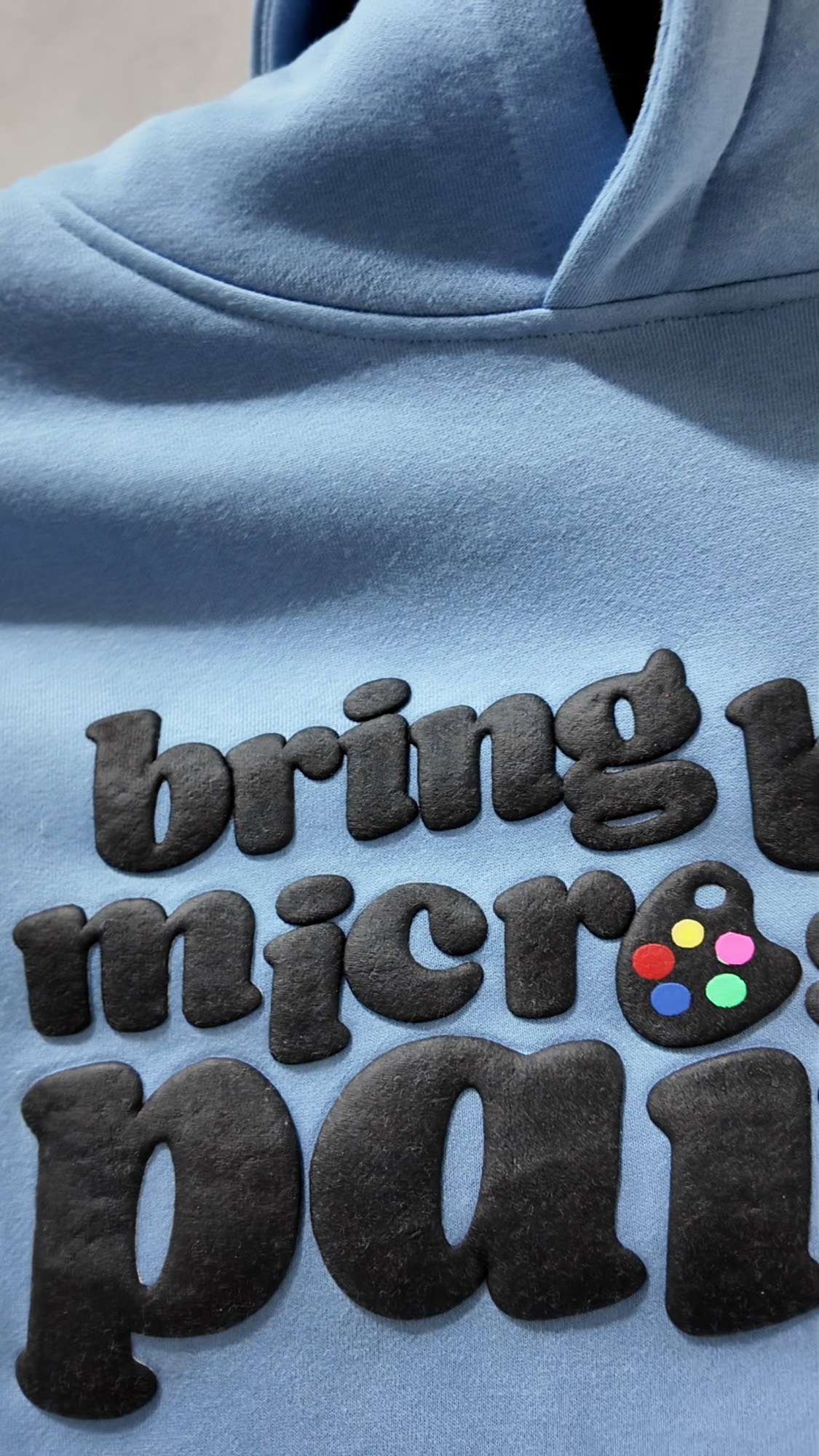
Puff print and flocking: adding tactile quality
Puff print raises the ink off the garment into a soft, rounded surface, and flocking bonds fine fibres to the artwork for a velvet-like finish. Both change how a design feels in the hand, and both catch light differently from the surrounding fabric, which gives flat artwork depth. They work well on bold shapes and large letterforms; very fine detail tends to fill in. Puff print performs well on 250 GSM heavyweight cotton tees and fleece hoodies, as thin fabrics can warp around the raised print. The puff print guide covers sizing and design tips.
Heat seals vs embroidery: durability and fabric suitability
Heat seals and embroidery are both durable through regular washing, but they suit different fabrics. As a general guide:
| Heat seal | Embroidery | |
|---|---|---|
| How it is applied | Pre-cut film bonded with heat and pressure | Thread stitched through the fabric |
| Finish | Flat, raised, glossy or reflective, with sharp edges | Dimensional thread texture; 3D embroidery adds lift |
| Stretch performance fabrics | Flexes with the fabric and adds little weight | Suits small logos; dense stitching can restrict stretch |
| Heavyweight cotton and fleece | Suitable | Suitable, and the traditional choice for premium hoodies |
| Lightweight and satin | Test with a sample, as heat can mark delicate fabrics | Small names and monograms work well |
| Long-term wear | Edges can lift over time with hot tumble drying | Does not crack or peel; loose threads can snag |
On activewear, heat seal and embroidery are the usual choices for performance fabrics, as both hold up through washing and sweat and stay clean on stretch knits. On satin sleepwear, embroidered names and initials are the common choice. To extend the life of either finish, wash garments inside out in cold water and avoid ironing directly over the decoration. When a fabric and technique pairing is new to you, order one sample first: with no minimum order, it costs a single unit to confirm. That is the practical advantage of end-to-end custom apparel manufacturing: the decision is tested on a real garment, not a quote.